

By Samuel Ogude
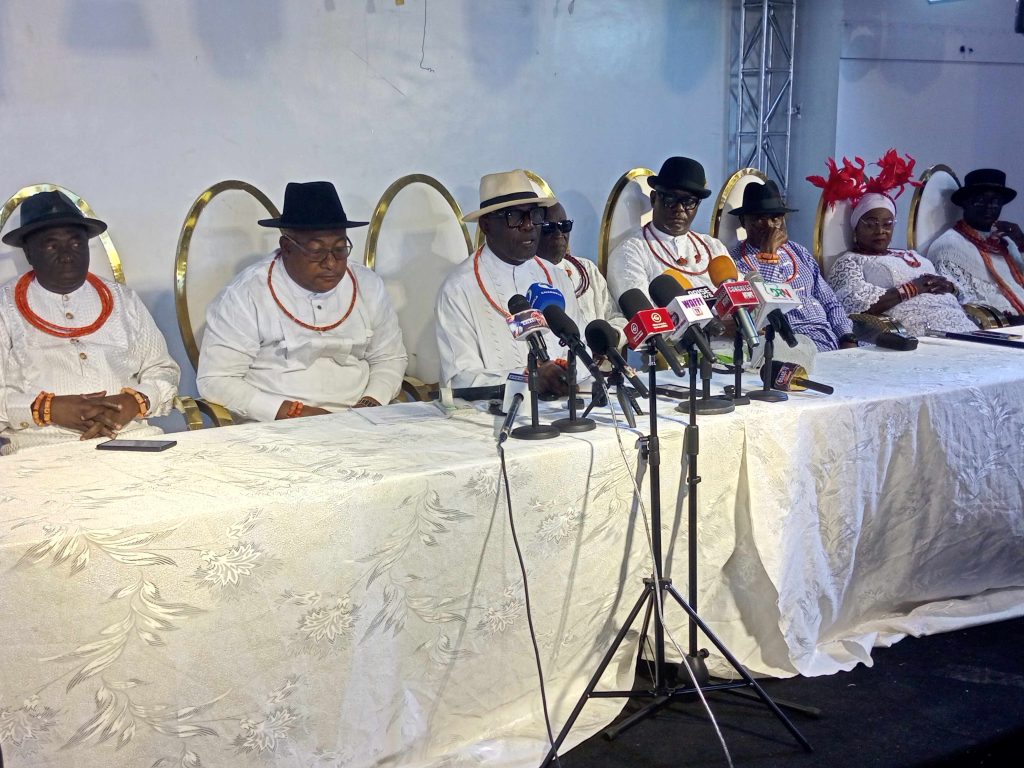
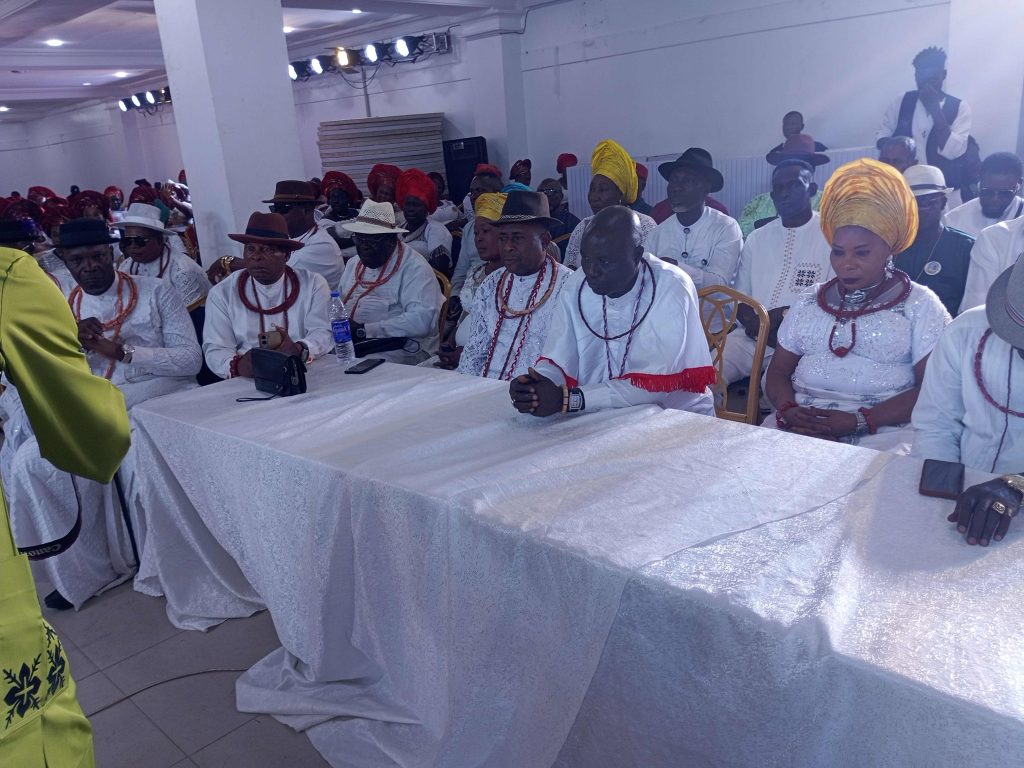
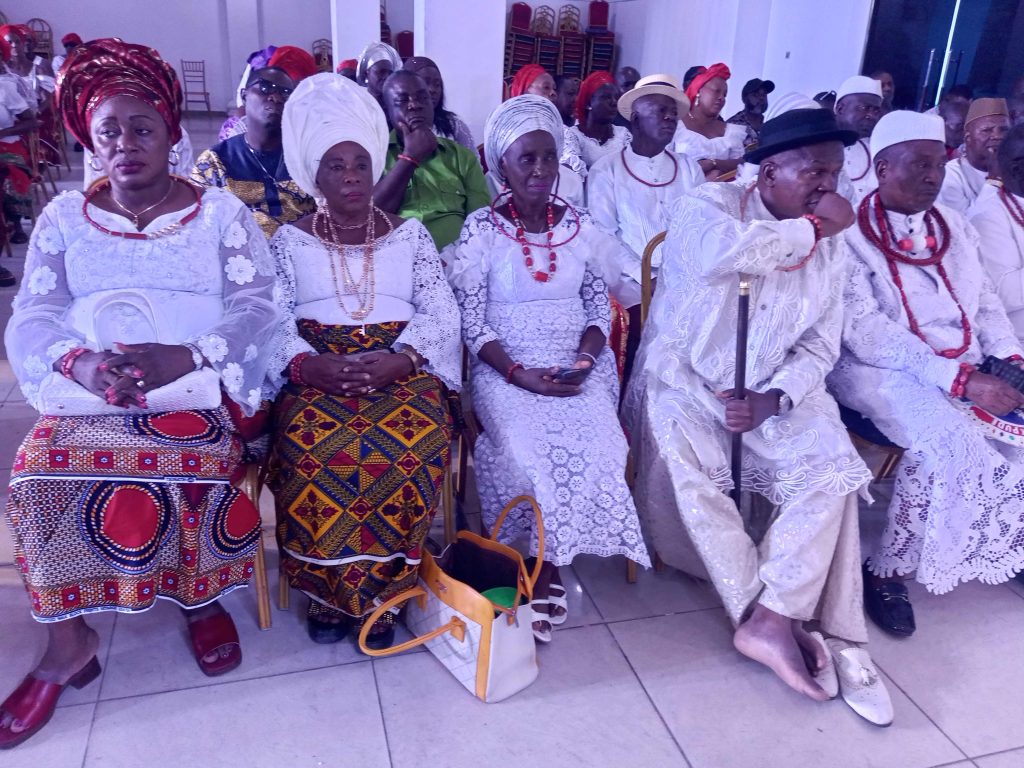
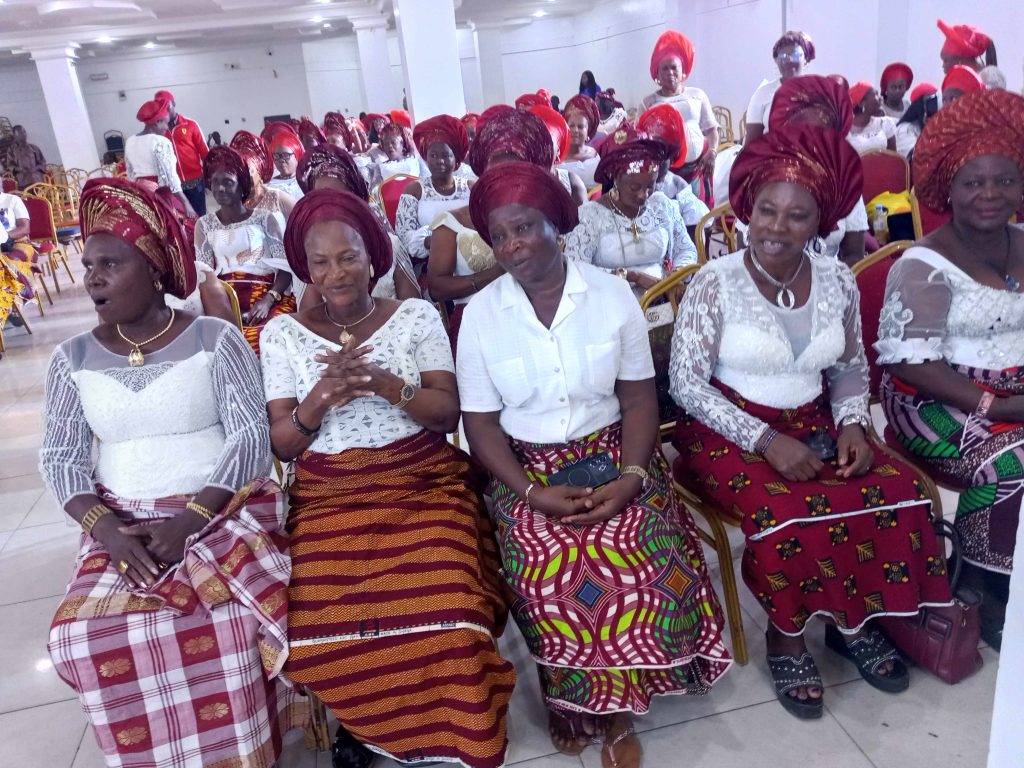
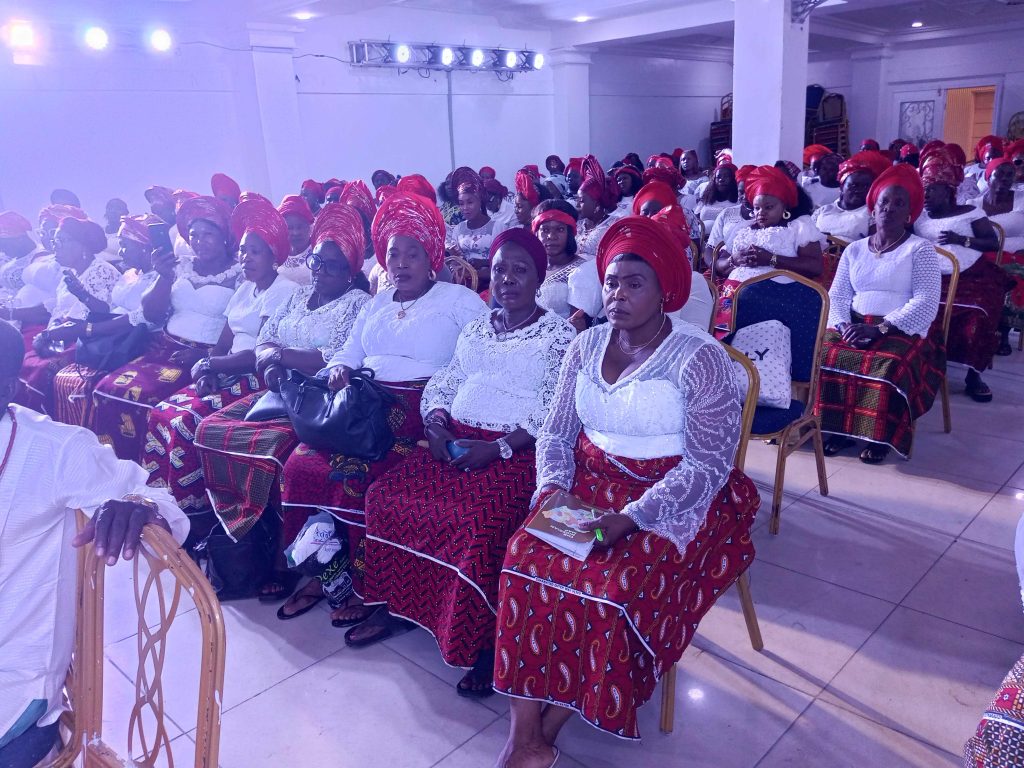
The lingering dispute over the ward and polling unit delineation in Warri Federal Constituency, which had threatened the peaceful coexistence of the Ijaw, Urhobo and Itsekiri ethnic nationalities, has been amicably resolved following the intervention of President Bola Tinubu. Leaders of the Indigenous Ijaw and Urhobo communities announced their acceptance of the adjusted delineation arrangement during a press briefing held on Sunday at KFT Event Centre, Warri, Delta State.
Reading a communiqué jointly signed by Chief Godspower Gbenekama, Olorogun Victor Okumagba, Chief Denbo-Denbofa Oweikporodor, Chief John Eranvor, Chief Arthur Akpodubakaye, Chief David Reje and Hon. Samuel Ako, and, the groups said, they have accepted the adjustments made to the Supreme Court-backed Independent National Electoral Commission (INEC) delineation report released on May 20, 2026.
The leaders, however, cautioned that no further alterations to the report would be acceptable, stressing that INEC should immediately upload the new electoral structure and commence voter registration and transfer processes in the affected areas ahead of the 2027 general elections.
According to the communiqué, the Ijaw and Urhobo ethnic nationalities accepted the revised ward structure in Warri South-West Local Government Area as a sacrifice in the interest of peace and respect for the office of the President. They disclosed that during a stakeholders’ meeting held at the Presidential Villa on June 11, President Tinubu proposed a review of the ward composition in Warri South-West, allocating 11 wards to the Ijaw ethnic nationality and nine wards to the Itsekiri ethnic nationality.
According to the groups, the President also directed the preparation of a Memorandum of Understanding (MoU) on power sharing and political rotation among the Ijaw, Itsekiri and Urhobo ethnic nationalities within the Warri Federal Constituency.
They further said, to facilitate the process, the National Security Adviser, Malam Nuhu Ribadu, was mandated to coordinate the drafting of the agreement with representatives of the three ethnic groups. The leaders said that representatives of the ethnic nationalities met with the NSA in Abuja on June 12 to work on the proposed MoU adding that while the Ijaw and Urhobo delegations advocated for the rotation of House of Representatives seats, local government chairmanship positions and commissioner appointments across the three Warri councils, the Itsekiri delegation opposed aspects of the proposal.
According to the groups, despite the disagreements, the parties agreed to proceed with areas of consensus concerning the proposed Warri Federal Constituency II to avoid delaying the implementation of the Supreme Court-ordered delineation process. The groups acknowledged their dissatisfaction with the reduction in the number of wards allocated to Ijaw communities but said they accepted the arrangement to preserve peace and allow the electoral process to move forward.
They further argued that earlier INEC field reports had allocated more wards to Ijaw communities in both Warri South-West and Warri North Local Government Areas before subsequent political interventions altered the figures. The communiqué noted that the delineation structure approved for Warri North and Warri South Local Government Areas remained unchanged during the Presidential meeting.
While the stakeholders called on INEC to immediately implement the delineation report, activate the newly created registration areas and polling units, and commence voter registration exercises throughout the constituency, they however warned that any further delay or attempt to alter the May 20 delineation report could erode public confidence in the process and threaten the fragile peace achieved through the intervention of President Tinubu and other stakeholders.
The leaders expressed optimism that the agreement would strengthen unity, promote political inclusion and sustain peace among the ethnic nationalities in Warri Federal Constituency.