
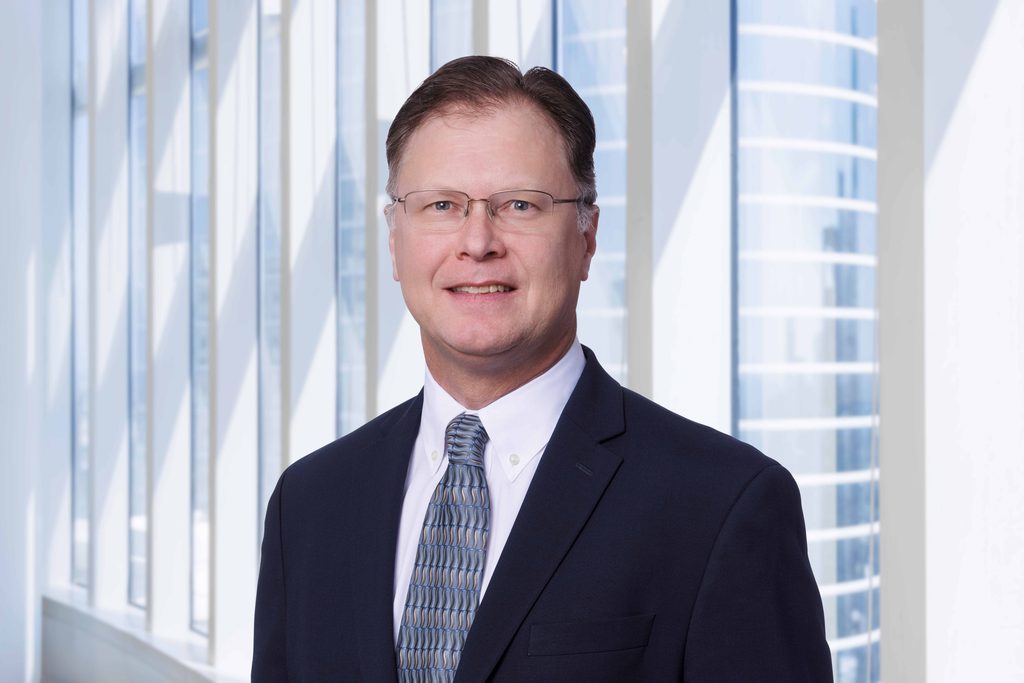
Jim Swartz – Chairman & Managing Director, Chevron Nigeria Limited
By Samuel Ogude
Chevron Nigeria Limited (CNL), operator of the Nigerian National Petroleum Company Limited (NNPC) and Chevron Joint Venture, has said that strengthening the regulatory framework in Nigeria’s oil and gas industry is critical to attracting investment and unlocking greater growth opportunities.
The Chairman and Managing Director of Chevron Nigeria and Mid-Africa Business Unit, Jim Swartz, made the assertion while addressing participants at the Petroleum and Natural Gas Senior Staff Association of Nigeria (PENGASSAN) Energy and Labour Summit (PEALS) held in Abuja on Wednesday, August 19, 2026.
According to a press statement signed by the Chief Corporate Affairs Officer, Chevron Nigeria and Mid-Africa Business Unit, Olusoga Oduselu, Swartz, who was represented by the company’s Director of Operations and Chief Operating Officer, Segun Kuteyi, said Nigeria possesses enormous energy resources that position it for long-term growth and competitiveness.
He noted that the country remains one of the world’s most resource-rich energy nations, with vast crude oil reserves, abundant natural gas resources, a strategic geographical location and a highly skilled workforce.While acknowledging these advantages, Swartz stressed that natural resources alone cannot guarantee sustainable growth.
“What makes the difference is the environment in which investments, businesses and people operate,” he said, adding that “a predictable, transparent and efficient regulatory framework builds confidence, and confidence attracts investment, drives innovation, creates jobs and supports economic growth.”He explained that regulatory certainty has become a major catalyst for investor confidence and sustained investment in the sector.
According to him, Chevron has continued to benefit from regulatory reforms introduced under the Petroleum Industry Act (PIA) 2021, with growth driven by exploration and new discoveries, infill drilling, brownfield optimisation, as well as gas monetisation and integrated development projects.Highlighting Chevron’s recent achievements, Swartz listed the renewal and conversion of the company’s Joint Venture and Deepwater leases, continued investments in exploration, asset and gas development, and monetisation projects.
He also cited Chevron’s acquisition of the Deepwater Petroleum Prospecting Licence (PPL) 2010, equity investments in Shell’s Bonga Southwest/Aparo (BSWAP) project and ExxonMobil’s Owowo/Usan developments, as well as the company’s sustained investments in host communities through social development initiatives spanning more than six decades.
Swartz further emphasised the need to prioritise safety, collaboration and human capital development across the industry, noting that existing challenges can be addressed by strengthening regulatory certainty, promoting transparency and accountability, encouraging investment across the oil and gas value chain, advancing innovation and digital transformation, and equipping the workforce with future-ready skills.
“At Chevron, we believe people are our greatest asset. No regulatory framework can fully succeed without a capable, motivated and protected workforce. That is why forums such as PEALS are important; they bring government, labour and industry together to align on shared goals and deepen mutual understanding,” he said.He reaffirmed Chevron’s commitment to partnering with government, industry stakeholders and labour unions in building a more competitive, sustainable and investment-friendly Nigerian oil and gas sector.