

By Samuel Ogude
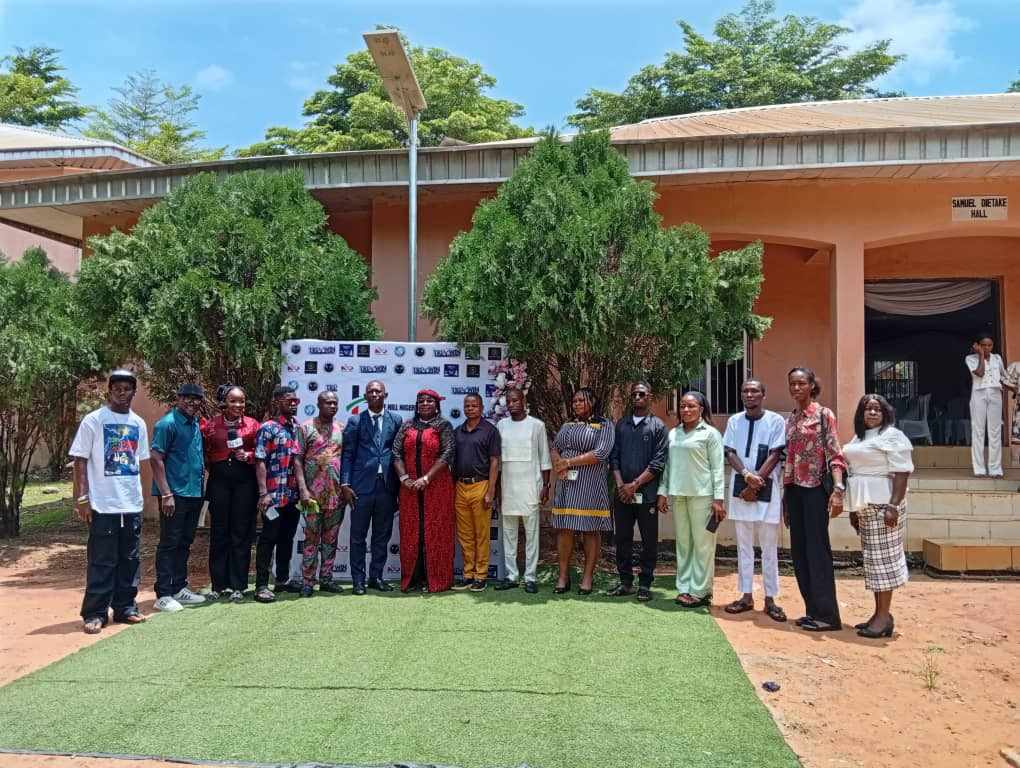
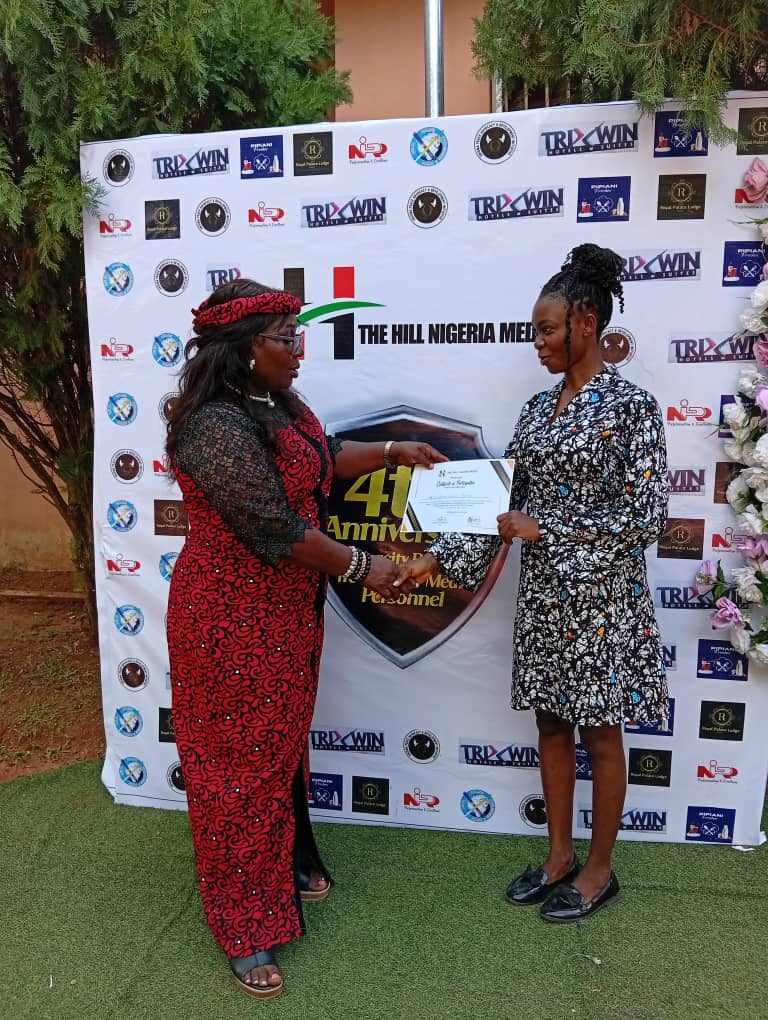
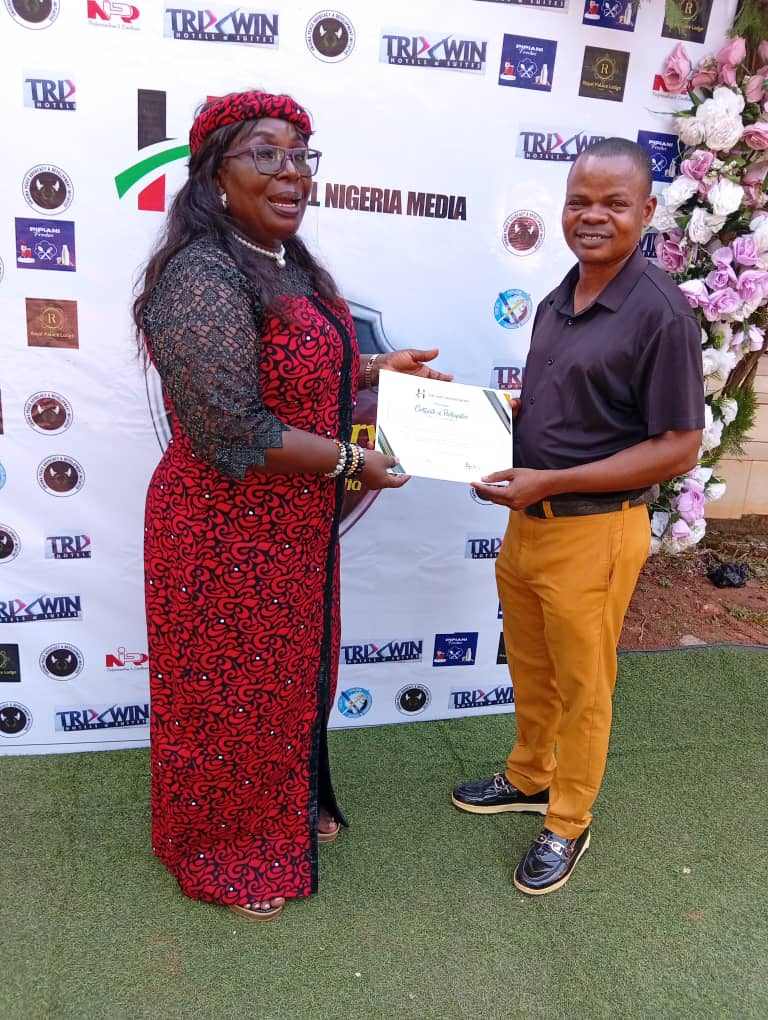
Media professionals in Nigeria and across the world have been urged to contribute meaningfully to societal development by reporting events in a fair, balanced and professional manner. The charge was given on Wednesday during a workshop/seminar organised by the Online Publishers Forum to mark the 2026 World Press Day in Asaba, Delta State, with the theme: “Shaping A Future At Peace.”
Delivering a keynote address titled “Journalists As A Tool For Conflict Prevention And Peace Building,” Associate Professor of Mass Communication at Dennis Osadebay University, Asaba, Dr. Gideon Udechukwu Isika, said journalists possess the capacity to shape society positively, especially when early signs of conflict emerge.
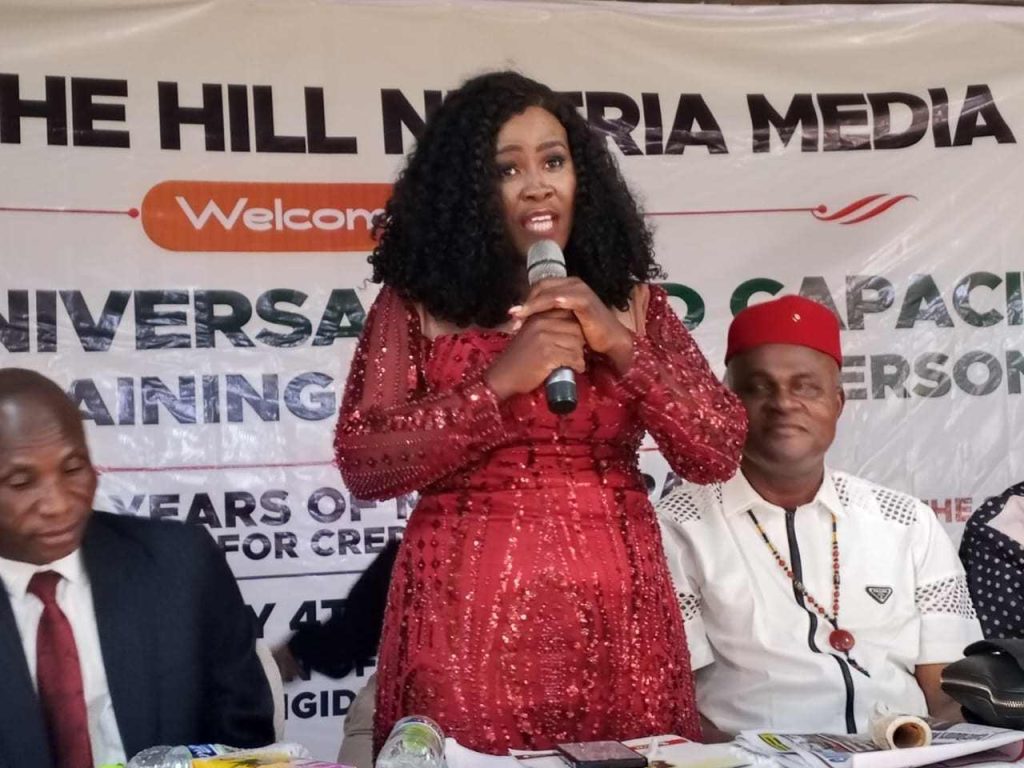
According to him, media professionals can deploy professional ethics and responsible reportage to help steer society away from crises arising from political struggles, social tensions and psychological instability. His words: “Journalists have all it takes to shape society towards the right direction because anytime symptoms of conflict manifest such as frustrations, struggle over superiority, differential conception of what is right, psychological disorders and political imbroglio, they can step in professionally to prevent escalation.”
Dr. Isika, a Political Communication and Development Strategic Media scholar, explained that conflict remains part of human existence and social interaction. His words: “Conflict exists and it is what defines and limits the social condition in which we live. Conflict is deeply reflected in the manner we show emotion and interest, altruism and self-aggrandisement, including issues surrounding gender.”
The don noted that cultures and societies across the world evolved through conflict, war and conquest, stressing that in a democratic setting, the media serve as the voice of the people. His words: “Democracy makes it possible for people with differing views to aggregate and express them unanimously, while the media act as the voice of the common man by interpreting issues in line with public perception and reaction.”
Dr. Isika further maintained that conflict should not always be viewed negatively, noting that it could lead to lasting resolutions if properly managed. His words : “Conflict is not entirely bad as often perceived because of quarrels, misunderstandings and war associated with it. It can also produce positive outcomes and lasting settlements if it does not degenerate.”
Speaking on Nigeria’s challenges, the communication expert stressed that although disagreements are inevitable in human society, sustaining peace remains critical for national development. His words: “The main issue is how best the country can achieve the maintenance of peace, realizing that no society can thrive in an unconducive atmosphere. Since Nigeria is in a big mess, building a peaceful nation is a sine qua non to progress and development.”
He urged Nigerians to stop blaming colonial masters for the country’s underdevelopment, pointing out that several nations once at the same level with Nigeria have advanced technologically and economically. His words: “Look at countries like Botswana, Mauritius, South Africa, Egypt and Rwanda. They have transformed technologically, agriculturally and industrially, whereas Nigeria, despite abundant human and economic resources, has experienced colossal failure from one government to another.”
The university lecturer also accused some journalists of failing to hold governments accountable, alleging that many media practitioners have been compromised by politicians and those in authority. His words: “Journalists have been unable to mount pressure on government for probity in public office because many have been used for propaganda and deceit by politicians and military leaders in government.”
He further alleged that some editors and media executives compromise professional standards because of financial ties with political office holders. “There is need for journalists to understand why reportage sometimes falls below expected standards, especially when editors and heads of media organisations are on government payroll,” he added.
Dr. Isika therefore charged journalists to uphold press freedom, report facts accurately, avoid suppression or falsification of information and maintain professional ethics at all times. He noted that adherence to these principles would strengthen public confidence in the media while promoting peace, unity and societal advancement.